|
|
|
|
•What is the best way to address our at-hope youth population that
creates a win/win for everyone?
|
|
•Community technology centers were originally designed (and federally
funded) to lessen the digital divide in our communities. Designed to deliver
free or low-cost access to computer and computer related technology.
|
|
•Attendance at the White House-sponsored meetings recently revealed
only $13 million available nationwide for start up funding, and all monies
have to have matching funds. There is a problem here. The digital divide is
getting bigger, not smaller. We’ll show you how this can change.
|
|
•Residential Treatment centers have gone from $700/client/day (1985)
funding to less than $200 per day for youth programs today. The Arizona
Wrap-Around model being introduced to bring the child-family team concept
engages necessary elements. Current treatment methods are like taking a fish
out of a dirty fish tank, cleaning them off, and throwing them back into the
same tank with hopes of survival and success.
|
|
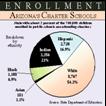
•Charter schools are great incentives for educational reform, yet
necessary funding is quite difficult to get without the capacity to raise
funds like district schools. Federal funding is available, yet potential
grant writers are usually stuck in the classrooms because of fiscal budget
crunches.
|
|
•Let’s look a little deeper at yet another problem that we need to
address.
|
|
|